
A Versatile Solution for Road Construction and Maintenance
What is Bitumen Cold Mix?
Bitumen cold mix is a type of asphalt mixture that is produced and placed at ambient temperatures, eliminating the need for heating. It consists of a blend of aggregates, bitumen emulsion, and water. The bitumen emulsion acts as a binder, adhering the aggregates together to form a cohesive mixture.
Key Advantages:
- No Heating Required: Eliminates the need for fuel and specialized heating equipment, reducing energy consumption and associated costs.
- Reduced Environmental Impact: Reduces emissions and minimizes the carbon footprint compared to hot mix asphalt.
- Improved Safety: Eliminates the risks associated with handling and transporting hot asphalt, improving workplace safety.
- Versatility: Suitable for a wide range of applications, including pothole repairs, minor resurfacing, and construction of low-volume roads.
- Year-Round Construction: Can be used throughout the year, regardless of weather conditions, enabling continuous construction activities.
- Cost-Effectiveness: Offers a cost-effective solution for various road construction and maintenance projects.
Applications:
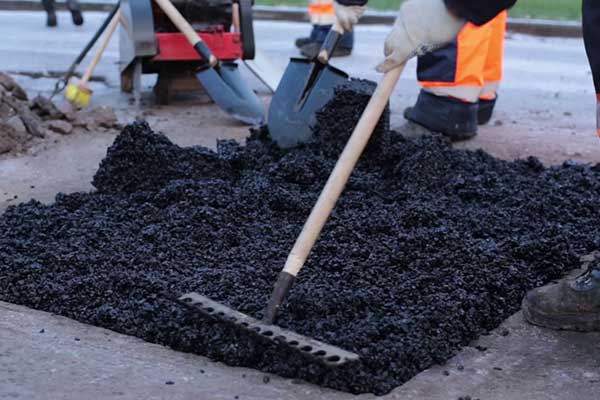
- Pothole Repairs: Quick and efficient repair of potholes and other pavement distresses.
- Minor Resurfacing: Resurfacing of minor road sections, driveways, and parking lots.
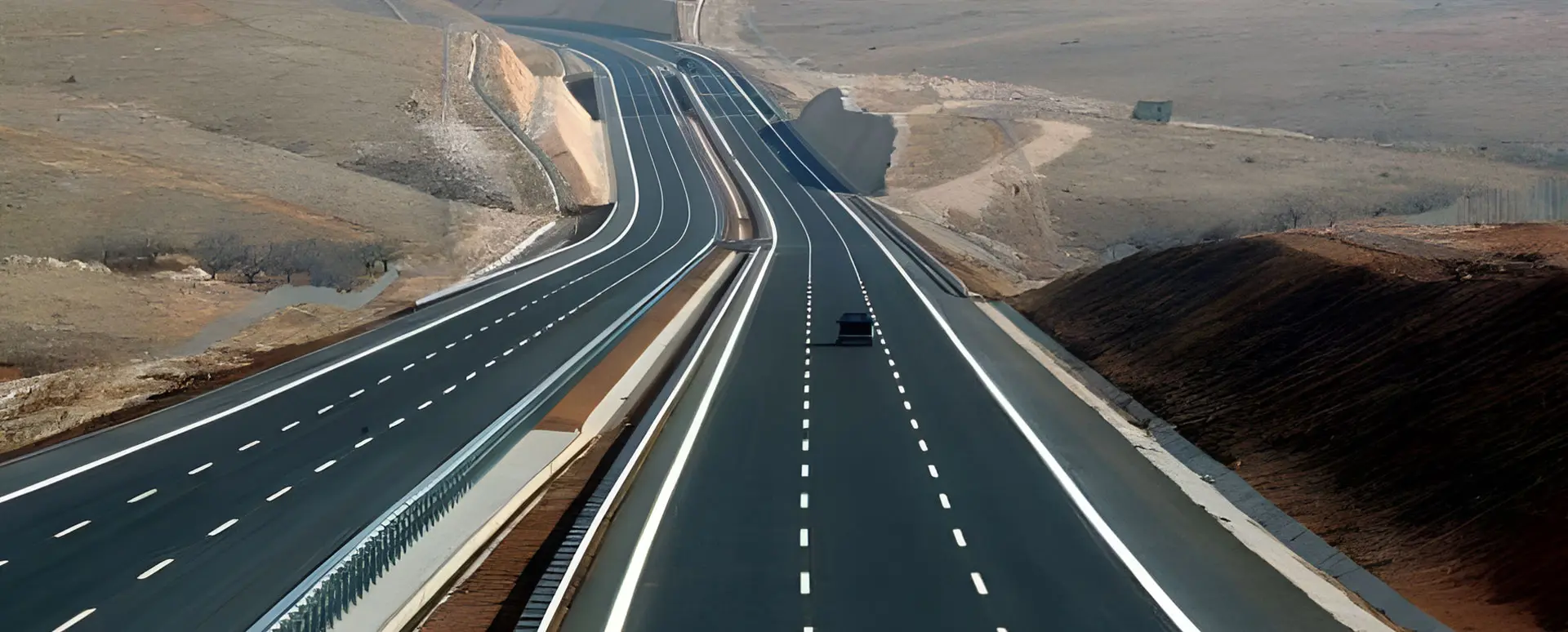
- Construction of Low-Volume Roads: Suitable for constructing low-volume roads, access roads, and farm roads.
- Emergency Repairs: Can be used for emergency repairs during inclement weather or in remote locations.
Types of Cold Mix:
- Plant-Mixed: Produced in a central mixing plant and transported to the construction site.
- Site-Mixed: Mixed on-site using portable mixers or by hand-mixing.
Production Process:
- Aggregate Preparation: Aggregates are screened and graded to meet specific size requirements.
- Bitumen Emulsion Addition: Bitumen emulsion is added to the aggregates in a controlled manner.
- Mixing: The aggregates and bitumen emulsion are thoroughly mixed to ensure uniform distribution of the binder.
- Placement: The cold mix is placed in the prepared area and compacted to achieve the desired density and profile.
Technical Specifications
| Characteristics | Test Method | UOM | EMULSIS CM | |
| Residue on 600 micron Sieve in % by Mass | IS 8887-2018 ANNEX-B | % | – | 0.05 |
| Viscosity at 25°C by SayboltFurol Viscometer | IS 3117 | Sec | 33 | 40 |
| Coagulation at low Temp. | IS 8887-2018 ANNEX-C | – | NIL | |
| Storage stability after 24 Hrs. | IS 8887-2018 ANNEX-D | % | – | 2 |
| Particle Charge | IS 8887-2018 ANNEX-E | – | Positive | |
| Coating Ability & Water Resistance: | ||||
| a) Coating, dry aggregate | IS 8887-2018 ANNEX-F | – | Good | |
| b) Coating, after spraying | IS 8887-2018 ANNEX-F | – | Fair | |
| Miscibility with water | IS 8887-2018 ANNEX-H | – | No-Coagulation | |
| Stability to mixing with cement (Coagulation) | IS 8887-2018 ANNEX-G | % | – | 2 |
| Characteristics | Test Method | UOM | EMULSIS CM | |
| Residue by Evaporation | IS 8887-2018 ANNEX-J | % | 60 | |
| Penetration of Residue at 25°C / 100gm / 5Sec | IS 1203-1978 | – | 60 | |
| Ductility of Residue at 27°C | IS 1208-1978 | Cm | 50 | |
| Solubility in Trichloroethylene | IS 1216-1978 | % | 98 | |
Conclusion:
Bitumen cold mix is a versatile and environmentally friendly solution for various road construction and maintenance projects. Its ease of use, cost-effectiveness, and reduced environmental impact make it an attractive alternative to hot mix asphalt in many applications. By utilizing cold mix technology, road engineers can enhance road safety, improve pavement performance, and minimize the environmental impact of road construction activities.