
Enhancing Road Performance
What is Polymer Modified Bitumen (PMB)?
Polymer Modified Bitumen (PMB) is a specialized type of asphalt binder created by blending bitumen with synthetic polymers. These polymers, such as Styrene-Butadiene-Styrene (SBS), Ethylene Vinyl Acetate (EVA), and Styrene-Butadiene Rubber (SBR), significantly enhance the performance characteristics of the bitumen.
How PMB Works:
The addition of polymers modifies the bitumen’s molecular structure, resulting in several key improvements:
- Increased Elasticity: Polymers enhance the bitumen’s elasticity, allowing it to withstand repeated stress and strain from traffic loads and temperature fluctuations.
- Improved Fatigue Resistance: PMB exhibits greater resistance to fatigue cracking, a common form of pavement distress caused by repeated traffic loading.
- Enhanced Rutting Resistance: The increased stiffness and viscosity of PMB help resist deformation under high temperatures and heavy traffic loads, reducing rutting.
- Better Low-Temperature Performance: PMB maintains its flexibility at low temperatures, preventing brittle cracking in cold climates.
- Improved Aging Resistance: Polymers help protect the bitumen from oxidative aging, prolonging its lifespan and maintaining its performance over time.
Applications of PMB:
PMB finds widespread application in various road construction projects:
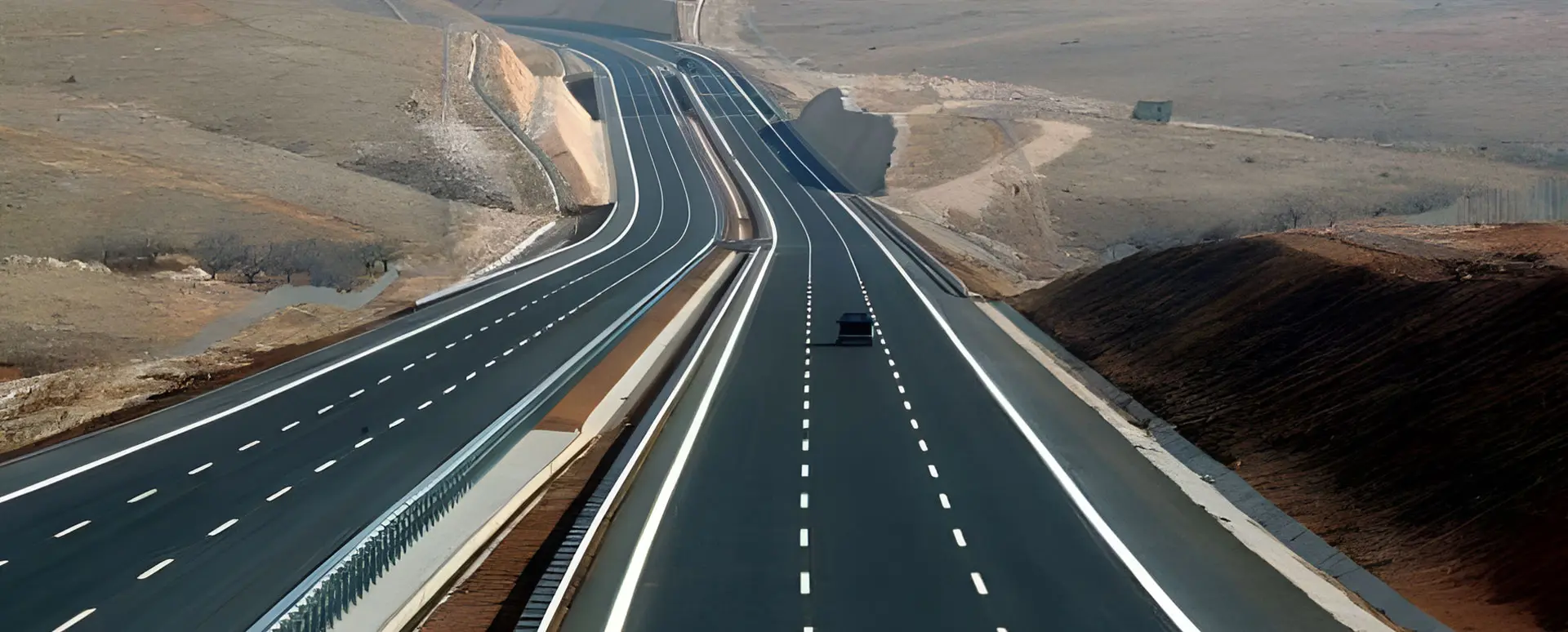
- Highways and Major Roads: Used in the construction of high-traffic roads and highways, where durability and long-term performance are critical.
- Airport Runways and Taxiways: Suitable for constructing durable and long-lasting airport infrastructure that can withstand heavy aircraft loads.
- Industrial Areas: Used in areas with heavy industrial traffic and extreme temperature variations.
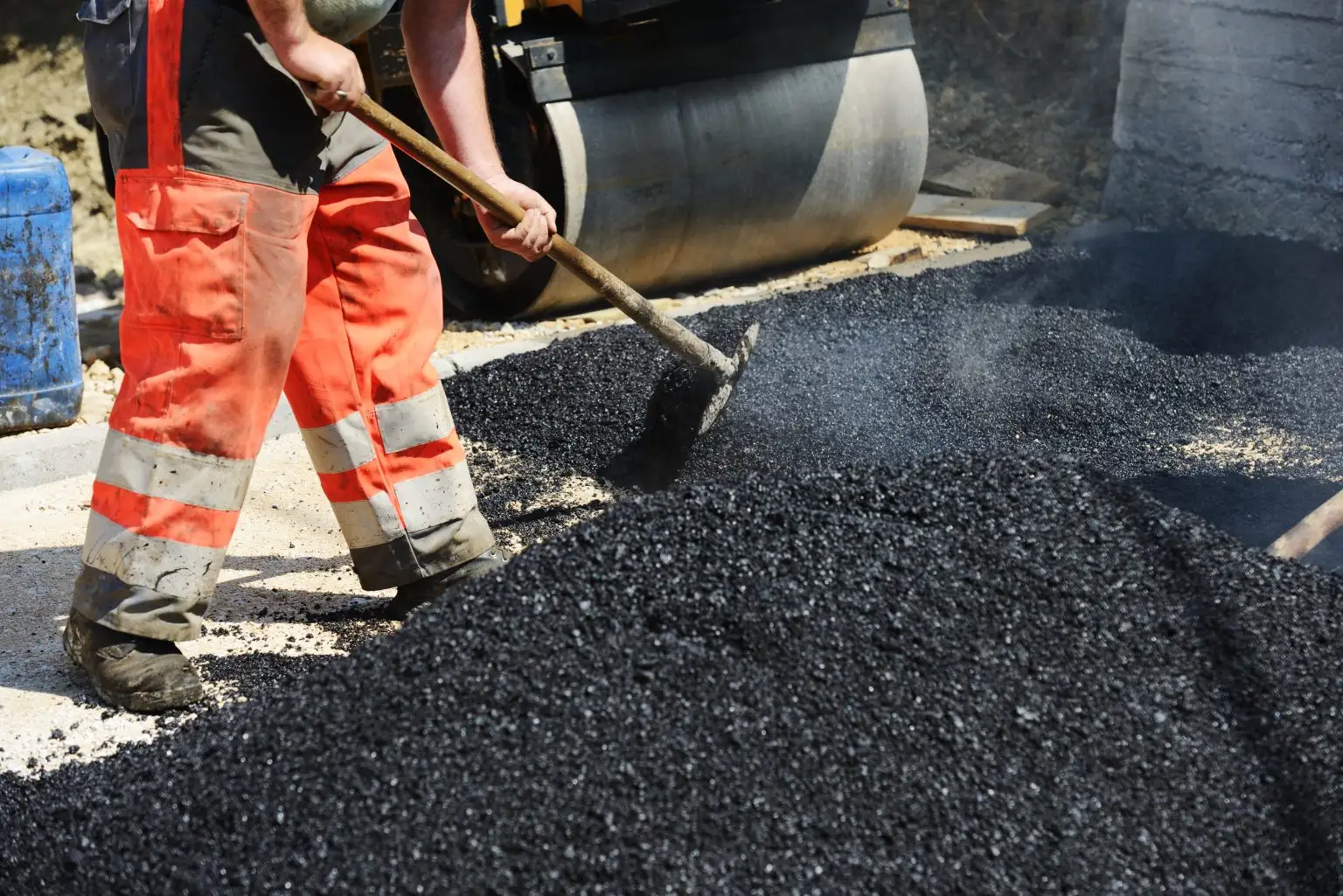
- Overlay and Resurfacing: Employed to improve the performance of existing pavements by providing a durable and long-lasting overlay.
Benefits of Using PMB:
- Enhanced Durability: PMB significantly increases the durability and lifespan of pavements, reducing the need for frequent maintenance and repairs.
- Improved Ride Quality: The use of PMB results in smoother and more comfortable road surfaces.
- Increased Safety: The enhanced resistance to cracking and rutting provided by PMB improves road safety.
- Cost-Effectiveness: While the initial cost of PMB may be slightly higher than conventional bitumen, its long-term performance and reduced maintenance requirements make it a cost-effective solution.
Conclusion:
Polymer Modified Bitumen is a cutting-edge technology that revolutionizes road construction. By enhancing the performance characteristics of bitumen, PMB enables the construction of more durable, resilient, and long-lasting pavements. Its use is particularly beneficial in high-traffic areas, extreme climates, and demanding applications where superior performance is essential.
Technical Specifications
| Property | Test Method | STYRELF PMB-40 |
| Penetration at 25°C, 0.1mm, 100gm/5Sec | IS 1203-1978 | 30-50 |
| Softening Point, (R & B), °C, Min | IS 1205-1978 | 60* |
| FRAASS breaking point, °C, Max | IS 9381-1979 | -12 |
| Flash Point, COC, °C, Min | IS 1209-1978 | 220 |
| Elastic Recovery of half thread in ductilometer 15°C, %, Min | IRC: SP: 53-2010 ANNEX-2 | 60 |
| Complex Modulus (G*/Sin δ) as Min. 1.0 kPa at 10 rad/s, at a temperature °C | IRC: SP: 53-2010 ANNEX-1 | 76 |
| Separation, difference in Softening point (R & B), °C, Max | IRC SP 53-2010 ANNEX-3 | 3 |
| Viscosity at 150°C, Poises | IS 1206 Part 1 | 5-9 |
| Thin film oven tests on residue: | ||
| Loss in Mass, %, Max | IS 9382-1979 | 1.0 |
| Increase in Softening point, °C, Max | IS 1205-1978 | 5 |
| Reduction in penetration of residue, at 25 °C, %, Max | IS 1203-1978 | 35 |
| Elastic Recovery of half thread in ductilometer 25 °C, %, Min OR Complex Modulus (G*/Sin δ) as Min. 2.2 kPa at 10 rad/s, at a temperature °C | IRC: SP: 53-2010 ANNEX-4 OR IRC: SP: 53-2010 ANNEX-1 | 50 |